You might open an app to look something up, but immediately get distracted. You might intend to do some work, but not be able to remember what after a bit of scrolling. You might find yourself watching a recommended video floating across your feed and suddenly think to yourself: What Was I Looking At Again?
The feeds of Big Tech online platforms—that we know, of course, are designed to to capture our attention for as long as possible and capitalise off of that—have been made so overstimulating and fast-paced that what we experience online now often feels fleeting and fragmented. Not all narratives, forms of storytelling, or information fit neatly within the constraints of these platforms. Creators are incentivised to make content that performs well and conforms to constantly changing algorithmic rules and expectations. As consumers, the ways we perceive and process media, information, and culture have been subtly, and not so subtly influenced by infinite scrolling through ever-accelerating feeds.
For this year’s focus, we’re going to look at how these ways of consuming information have changed our thinking and our ways of seeing. Is it all just part of persuasion tactics to gather data to sell and feed back to us, or are there new ways of understanding these media ecosystems?
Visual identity by Mary Universe
Dossier 18: What Was I Looking At Again?

Symposihmm 💬 The New Orality
In recent years, concerns over social media’s impact on cognitive abilities has been growing. While it’s very hard to prove a direct causal link with online platforms, studies have show … Read More
Glossary: What Was I Looking At Again?
This glossary, connected to our year theme, maps the infrastructure of how meaning moves online through the language of now. … Read More
We Need To Talk
With this essay, Assistant Professor Kevin Munger sharpens our understanding of what we mean by “new orality.” How do we research—or even think about—an era that no longer operates by the logic of the text? What we must unlearn to see it clearly, and where we stand once our old maps stop working.… Read More
Iran: Visibility, Blackouts, and the Platformed Battlefield
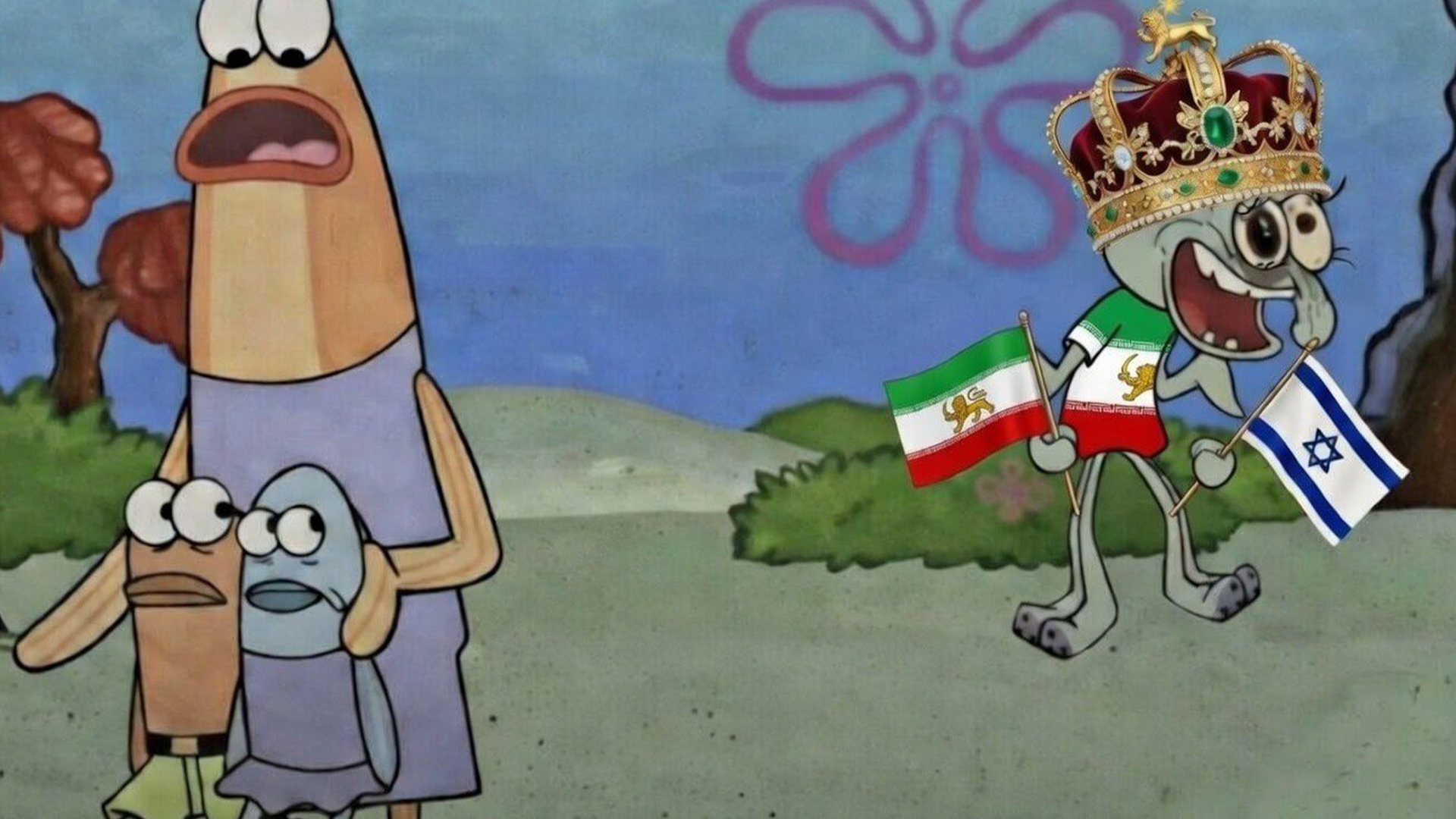
Fragments of war—missile strikes, phone recordings, air-defense footage, reposted clips—appear momentarily between memes, lifestyle videos, and other entertainment content. In this essay, Alina Lupu focuses on the experience of seeing the war in Iran through the logic of the personalised feed. … Read More
Job application for you, bitch!
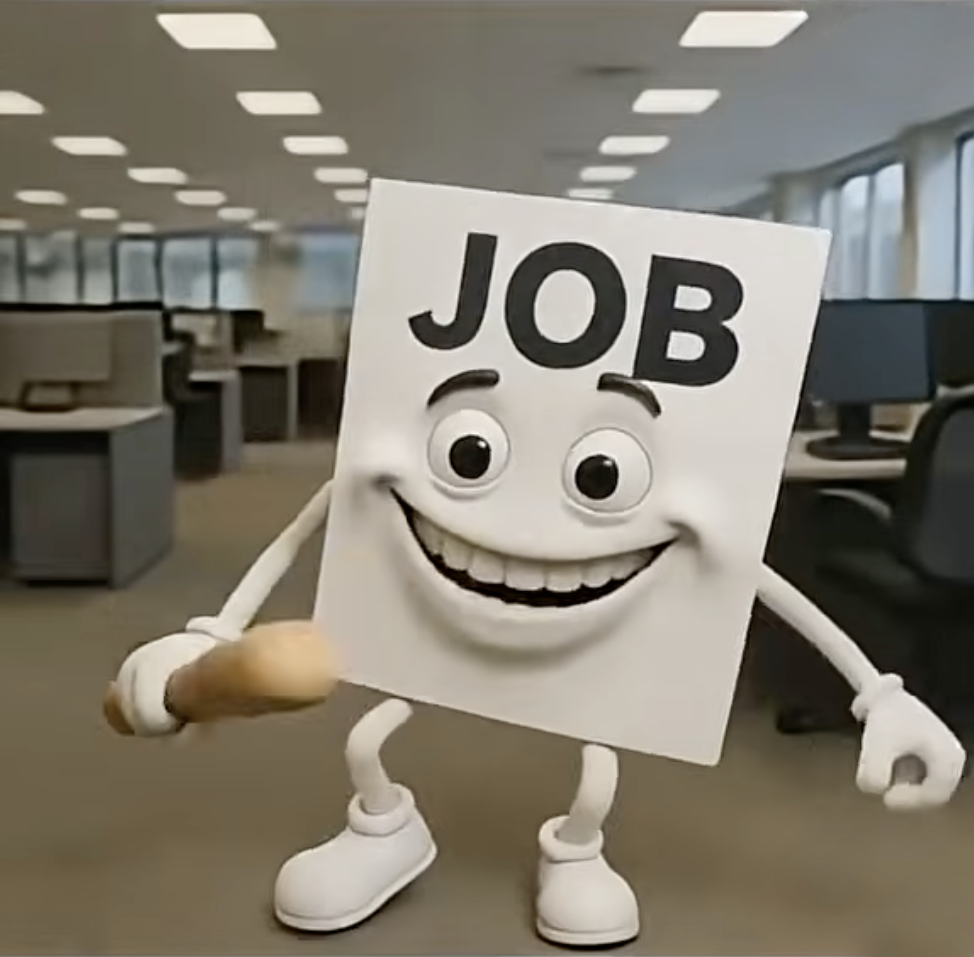
Tara Kelton does a deep dive into Job Job Job Sahur, the AI-slop character born from TikTok comments telling Italian brainrot creators to “get a job”… Read More
Bring Back Internet Secrets!

Macarena Magaña Villar finds herself in a cinema watching TikToks with strangers and realises the internet can still be a portal, not just a private hole to fall down.… Read More
The Hubris of Vagueposting
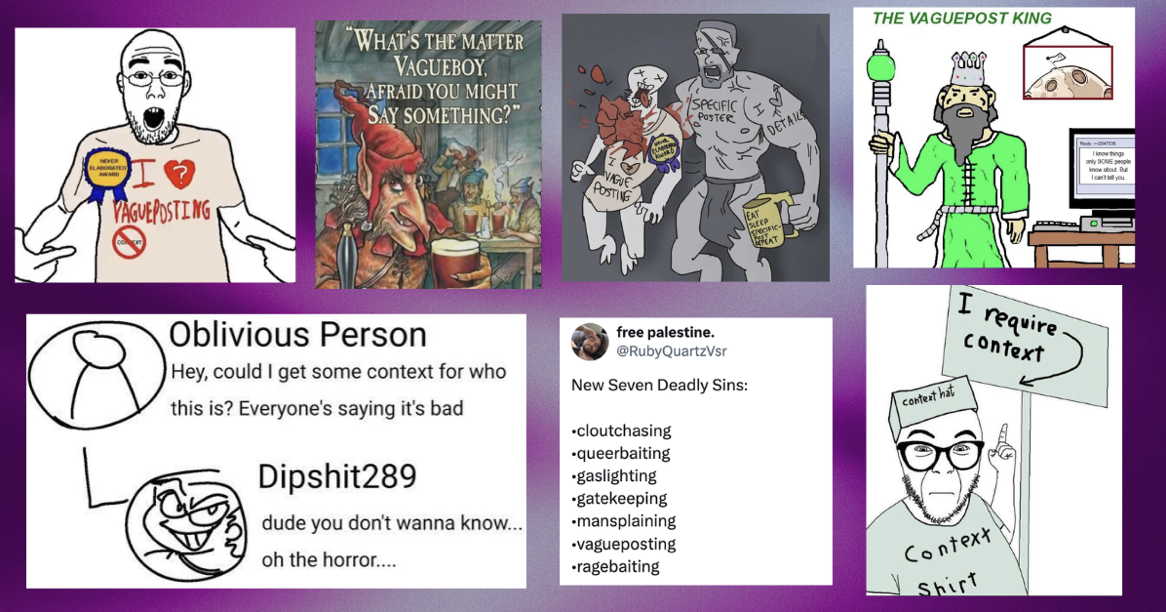
Marios Moros states that vagueposting—the deliberately unclear content people have started complaining about online—isn’t always about going viral. In this essay he reframes it as a pushback against overly polished content, meant to include some people and exclude others on purpose.… Read More
I Unlocked My Wallpaper So I Could See My Life, But Then I Unlocked My Life So I Could See My Wallpaper
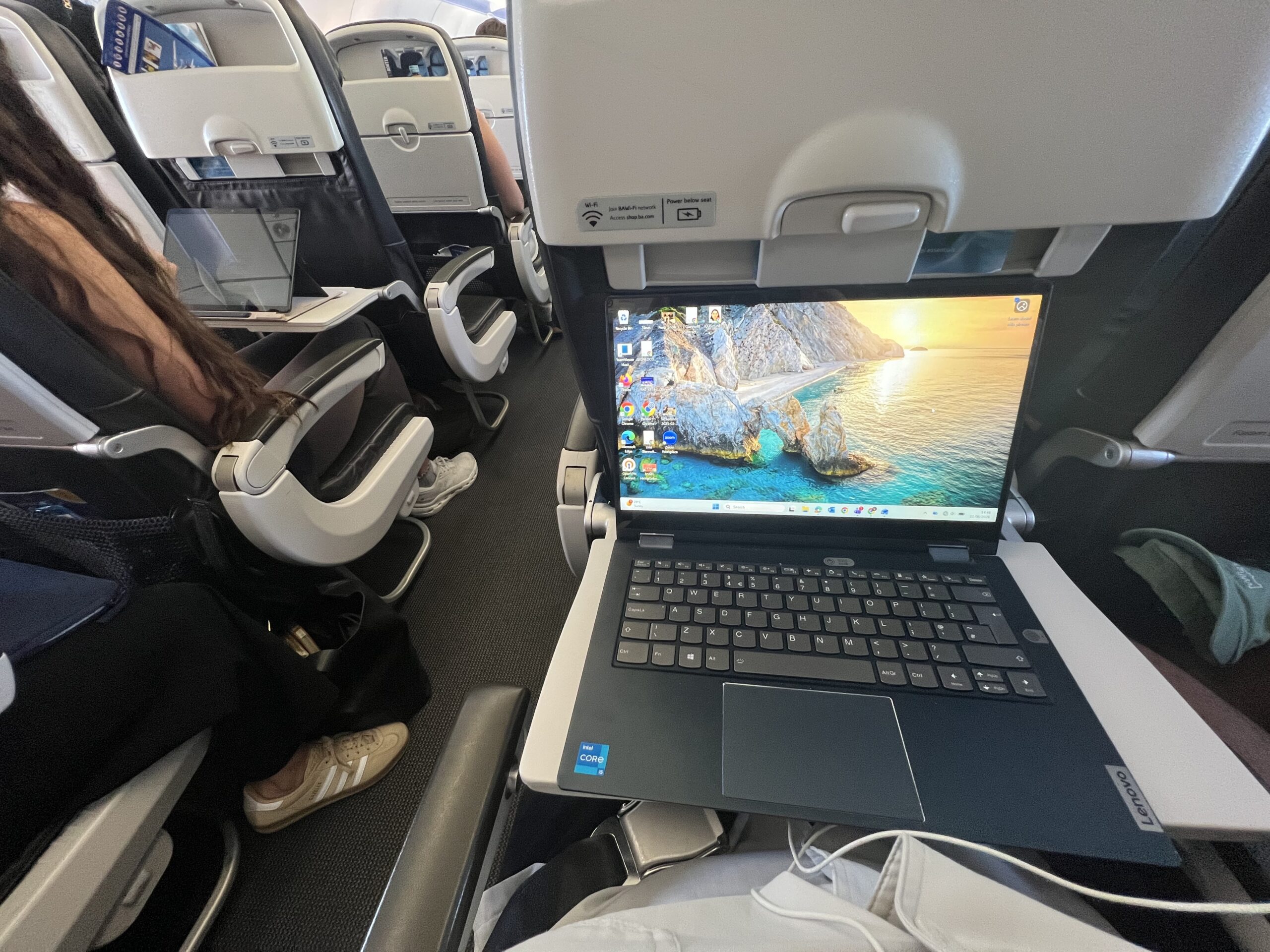
Every day, when Livia Giannotti opens her laptop, she gets interrupted. Before she can even reach for her phone while it loads, there it is: her daily Windows wallpaper… Read More
Respite: an interactive essay
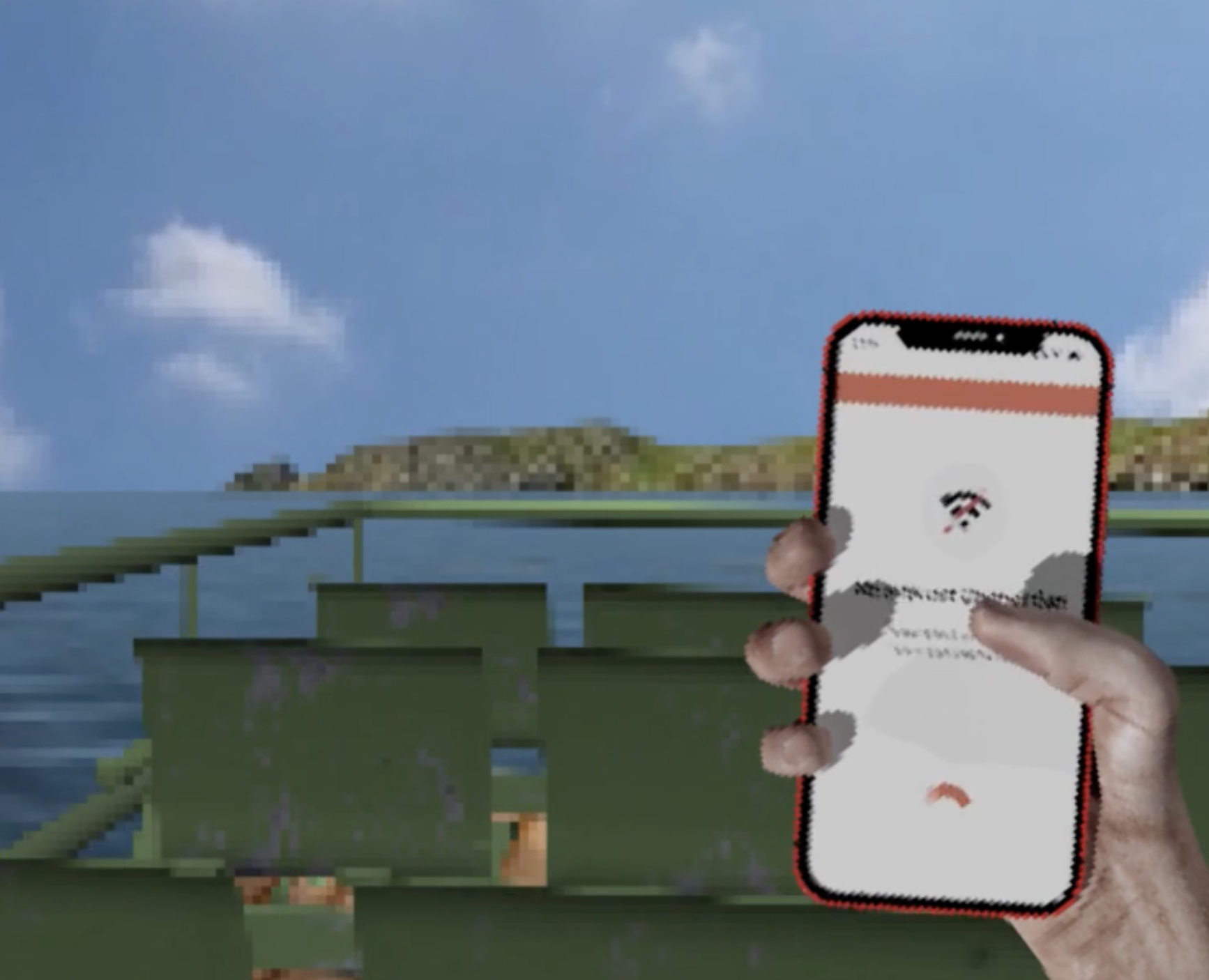
In this interactive essay, Livi Wilmore takes a satirical deep dive into our need for mindless soothing respite from information overload and the tensions we feel between wanting to be informed and wanting to rest. … Read More