In the news lately: Artificial intelligence, VR, accelerated timelines, ethical questions, have you considered taking a job as a dog walker instead?
With image- and text-generating AI tools infiltrating the cultural field, our ways of working are growing more precarious. Writer and post-conceptual artist Alina Lupu takes us on a dark and humorous doom-scroll through the latest AI news. … Read More

Alina Lupu was born and raised in Romania and works as a writer and post-conceptual artist in Amsterdam. Her works were presented, among others, at IMPAKT.NL – Utrecht, VHDG – Leeuwarden, W139 – Amsterdam, Onomatopee – Eindhoven, Hotel Maria Kapel – Hoorn, Drugo More – Rijeka, Room Rheum – Basel, European Lab – Lyon, Rosa Luxemburg Stiftung – Berlin, and Goethe Institut – Bucharest. She is a board member of Platform BK—an organisation that researches the role of art in society and advocates for a better art policy, a student of the Master Photography and Society at the Royal Academy of the Arts, the Hague, and a former member of the Art and Spatial Praxis research group at the Gerrit Rietveld Academy, Amsterdam, where she analysed the role of artists in gentrification processes. Alina’s practice was described as follows, by the jury of the Sybren Hellinga Art Prize for which she was nominated: “Alina Lupu is fighting for a fairer world in her work. She consistently examines the ways in which the conditions are set for participation in the economy, or how the economy is shaped, and who is thereby included or excluded and consequently at risk of marginalization. These are topics of great importance for workers’ determination at a time when direct transactions seem to become more accessible, but in reality also ever more elusive.”

ChatGPT is an AI creation designed to assist, educate, and engage users. Trained on a wide range of internet text, it provides information, answers questions, and engages in meaningful conversations on diverse topics. With no personal experiences or emotions, ChatGPT prioritizes privacy and ethics. It continually evolves and is available 24/7 to help with queries or engage in chat, making it a valuable digital companion for those seeking knowledge and conversation. (Disclaimer: this bio was written by ChatGPT on October 9, 2023)

This is the first time that Alina Lupu and ChatGPT have written a text together for The Hmm.

Job Opening for Communication (16 hours a week)

(Scroll down to read the vacancy in Dutch) The Hmm is a platform for internet and digital cultures. Through events, online research dossiers, and educational programmes, we reflect on people’sRead More

Introduction

The metaverse is on everyone’s minds, but what kind of metaverse do we really want to bring into being? … Read More

Architectures to Host the Metaverse: An interview with Marina Otero Verzier

Margarita Osipian interviews Marina Otero Verzier about how we can reimagine the metaverse, it’s architectural underpinnings, and it’s potentialities.… Read More

Inside the Metaverse Experiments of Babusi Nyoni

Sjef van Beers interviews Babusi Nyoni about his experiments creating a decentralised metaverse. … Read More

Moving towards the metabody

An understanding of your body and its movements is vital for a connection with it. How do we move in the metaverse? … Read More

Introduction

How can a lighter internet be more accessible and sustainable?… Read More

Language Processing: An AI generated glossary for the metaverse

An AI-generated glossary that unpacks all the metaverse-esque terminology in our digital vocabulary. … Read More

Instructions for The Hmm IN Gaming Spaces

We’re excited to have you joining for The Hmm IN Gaming Spaces on Wednesday. ٩(◕‿◕。)۶ During this tour we’ll explore the social impact, possibilities, and power of gaming spaces by touring differentRead More

Manual: how to create your avatar for the Metaverses Cha-Cha-Cha dance-party!

On 27 October 2022 The Hmm, affect lab and MU are organising the Metaverses Cha-Cha-Cha dance party at MU in Eindhoven and online. You’ll dance your way into a newRead More

Introduction

What are the consequences of being financially dependent on creating content on social media for both the people and the content in this ecosystem? … Read More

The rules for influencers in the updated Media Act

The Dutch Media Authority explain how they implement regulations and oversee media broadcasters and providers.… Read More

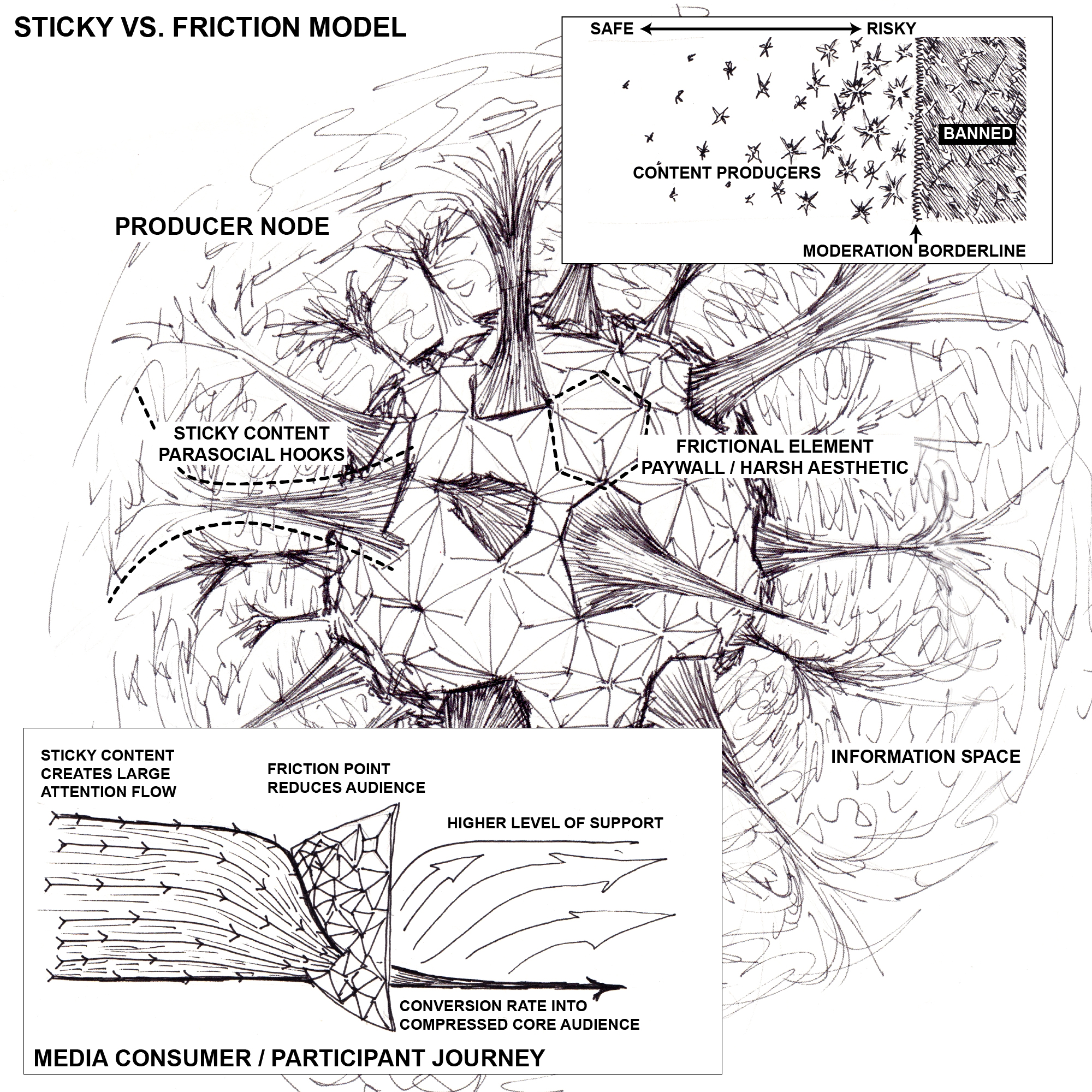
Models for culture producer communities

Jak Ritger shares models that define the digital cultural economy and the production systems underpinning it. … Read More

Jak Ritger is an interdisciplinary artist, writer, and activist based in Allston, Massachusetts. Ritger’s practice uses photography to expose hidden structures underneath the built environment and systems of power shaping everyday life. Working within online art and politics collectives, Ritger uses data-visualization, drawing and essay writing to model emerging social patterns and information flows. As an organizer, he works to catalyze digitally distributed collective art and discourse projects, such as, CODEX NM Y2K20, a compendium of the first year of the Covid-19 “syndemic”, as seen through the NEW MODELS discord group. Find his published writing at Do Not Research and NEW MODELS.

Behind the scenes of the creator economy with Cesar Majorana

Cesar shares his own experience with the creator economy and how he makes money off of social media. … Read More

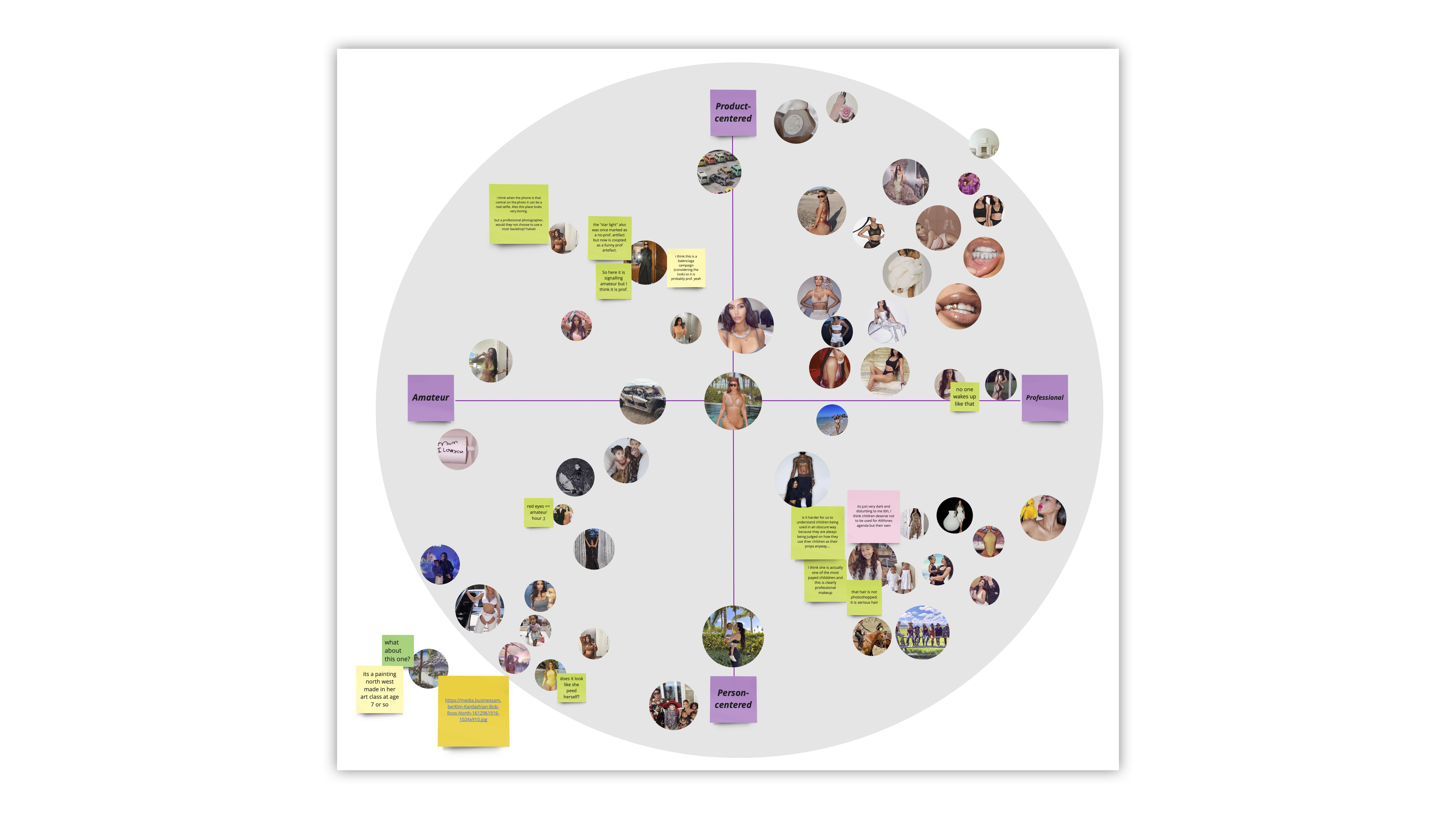
KarADshian workshop

We hosted a workshop where we challenged participants to reflect on Instagram advertising with a case study on Kim Kardashian’s influencer empire.… Read More

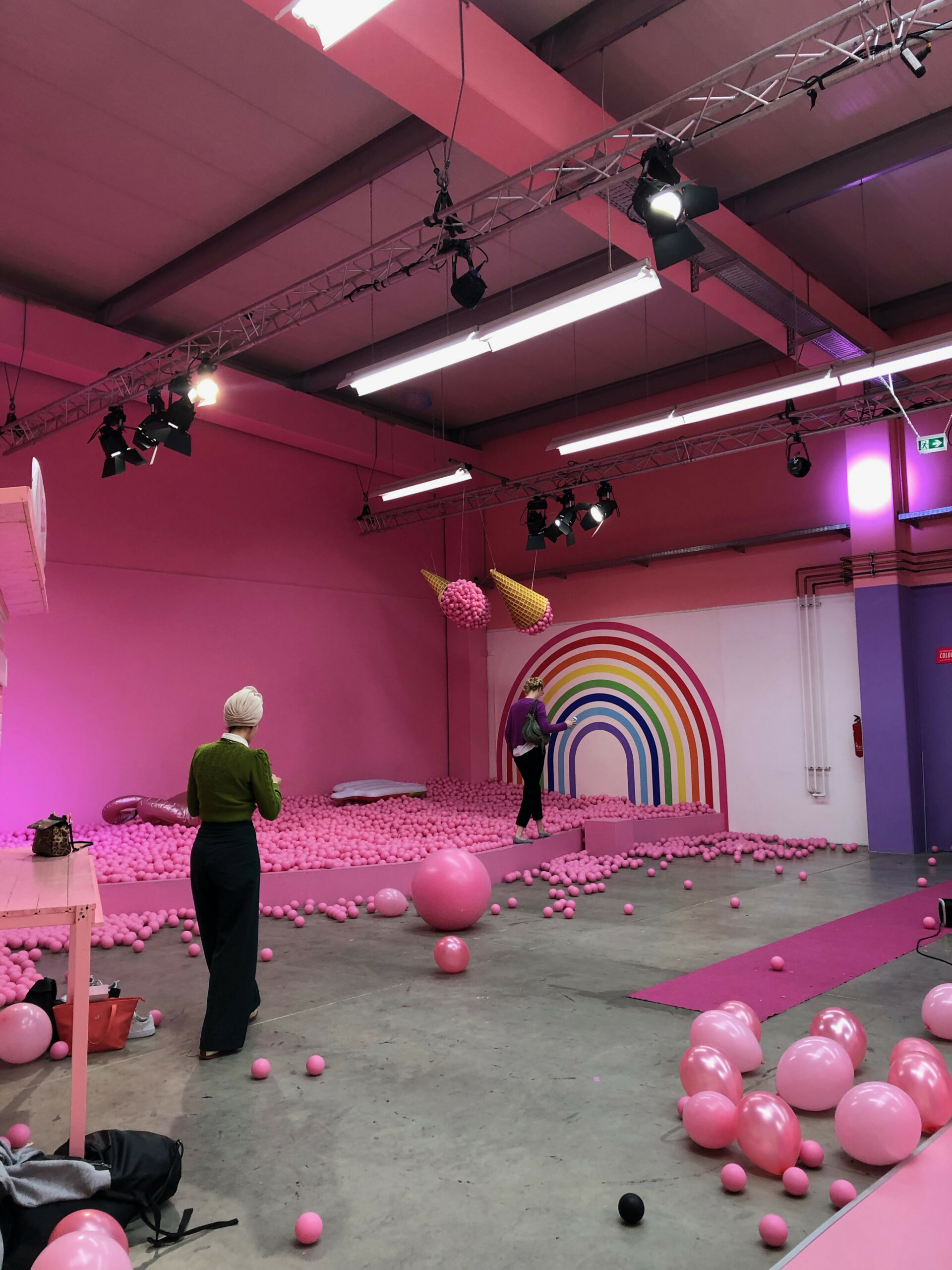
Inside the early days of the selfie museum

Eva van Boxtel revisits her 2018 film shot in one of Europe’s first selfie museums.… Read More

We are looking for a (production) intern!

Online culture is an extraordinary outlet for strange subcultures, experimental projects, network solidarity, and an absurdly large library of obscure knowledge and specialised resources. Our activities contribute to a betterRead More

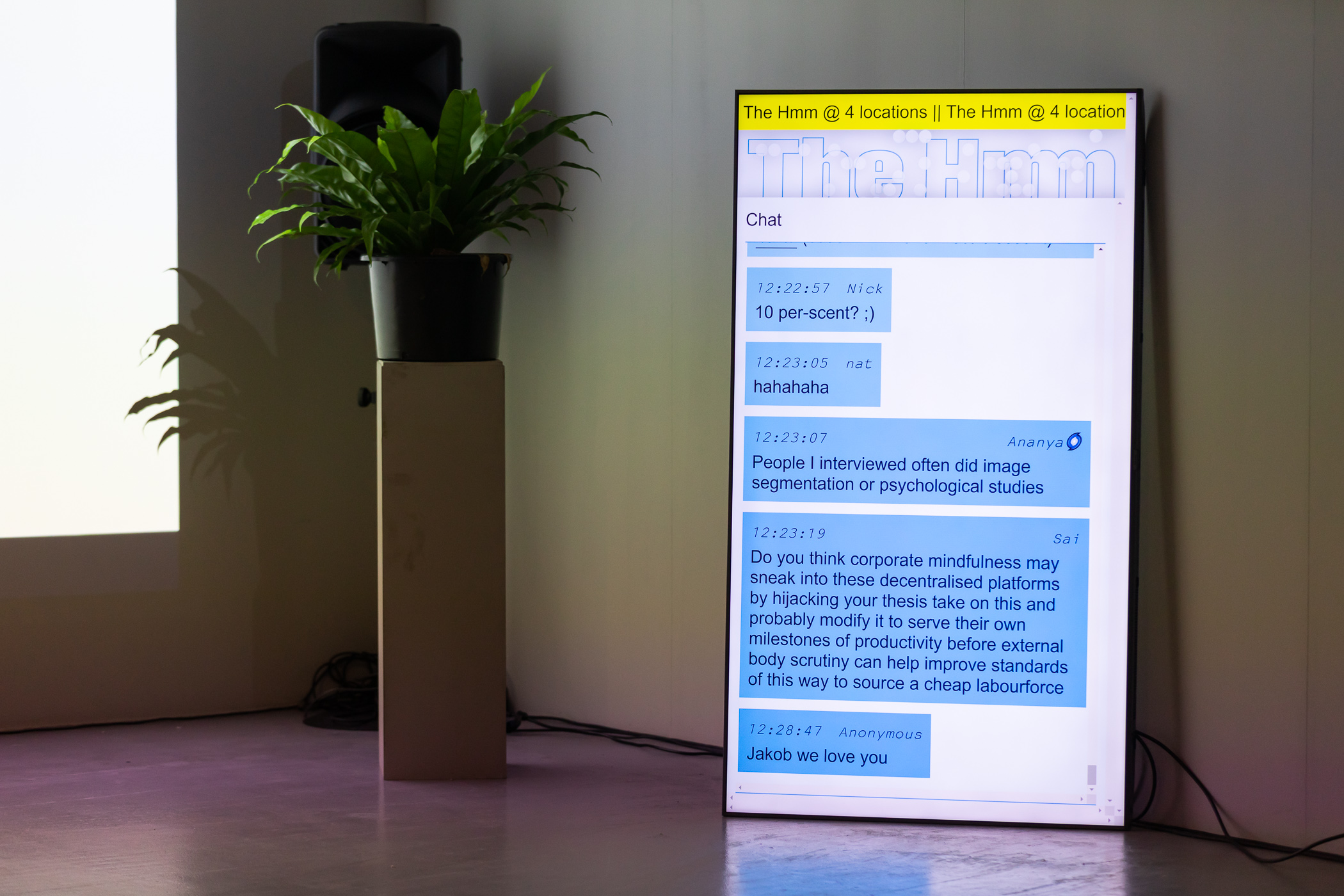
The Hmm Hybrids 2: The Power of the Chat

The chat is an essential part of livestreamed events, and maybe even our internet experience in general. In this hybrid newsletter we look back at, and towards the future of, the chat. … Read More

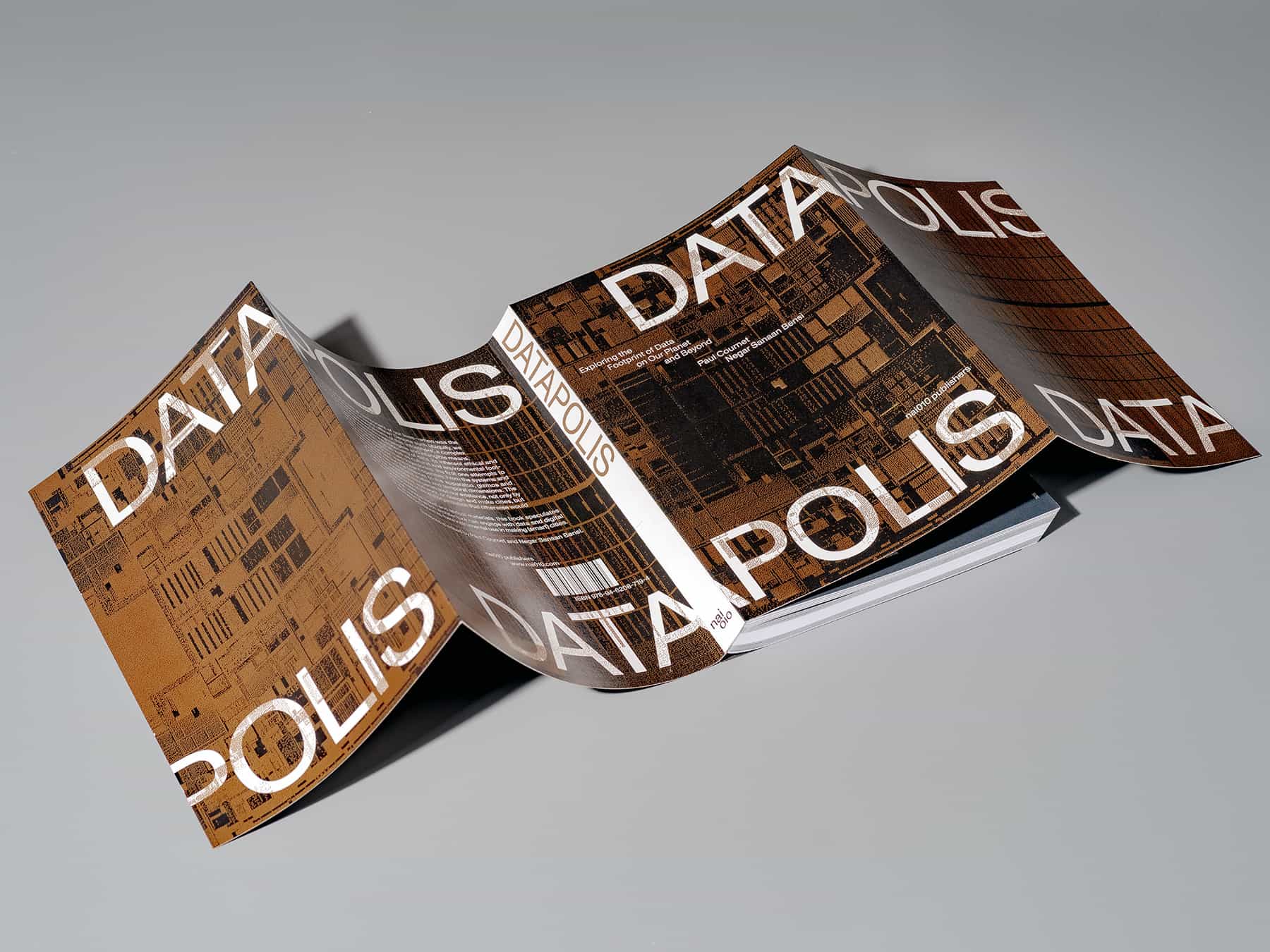
Negar Sanaan Bensi and Paul Cournet on the architecture of data centres

Negar and Paul, editors of the book Datapolis, answer a number of questions taken from our audience chat during our Data Centre Tour.… Read More

Can Blockchain Contribute to a Lighter Internet?

Saratu Abiola researches if the blockchain can make the internet more inclusive.… Read More

Saratu Abiola is a Masters Student in the University of Amsterdam’s New Media and Digital Cultures program. Before her Masters, she lived in Nigeria where her advocacy work covered in agricultural policy, climate Justice and women’s rights. She is also a freelance writer, and has been published at Open Democracy, Quartz Africa, Guardian Nigeria newspaper, among other places. Her areas of interest include digital activism, big data and social media platforms.